
What is Migraine?
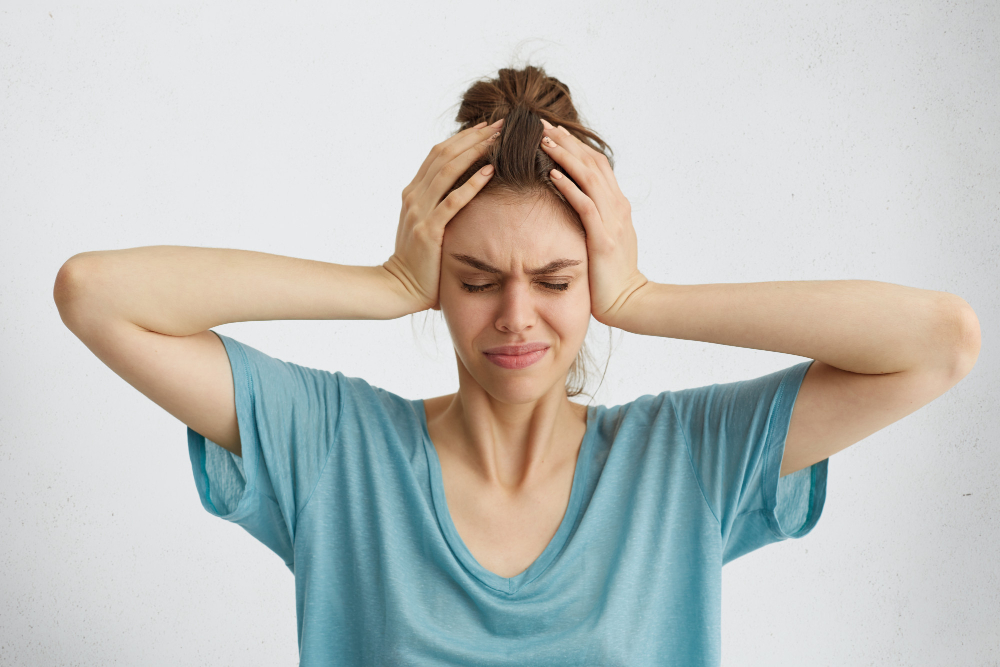
Migraine is a type of headache that can cause severe pain. Often, it affects one side of the head. Many people also feel sick or sensitive to light and sound. The Ayurvedic approach to migraine relief focuses on natural ways to manage these headaches. Ayurveda is an ancient Indian system of medicine. It uses herbs, diet, and lifestyle changes to help the body heal. According to the World Health Organization (WHO), migraines are common and can affect daily life.
Common Symptoms of Migraine
Migraines can feel different for each person. However, some symptoms are very common. Knowing these signs can help you seek the right care. For example, you may notice:
Sometimes, you may feel tired or have trouble focusing after a migraine. These symptoms can last from a few hours to several days.
Causes and Triggers According to Ayurveda
Ayurveda believes that migraines happen when the body’s natural balance is upset. This balance is made up of three energies, called doshas: Vata, Pitta, and Kapha. Each person has a unique mix of these doshas. But, when one dosha becomes too strong, problems like migraines can occur. For instance, Ayurveda often links migraines to an imbalance in the Pitta dosha, which controls heat and digestion.
Common triggers for migraines in Ayurveda include:
Because each person is different, triggers can vary. Yet, understanding your own triggers can help you avoid migraines.
Ayurvedic Diagnosis of Migraine
In Ayurveda, diagnosis starts with a detailed talk about your health. The practitioner will ask about your symptoms, diet, lifestyle, and family history. They may also check your pulse, tongue, and eyes. This helps them find which dosha is out of balance. As a result, they can suggest the best Ayurvedic migraine remedies for you. According to Ayurvedic journals, this personalized approach is key for lasting relief.
Natural Ayurvedic Treatments and Remedies
Ayurveda offers many natural migraine relief options. These remedies aim to restore balance and reduce pain. Some common Ayurvedic migraine remedies include:
Always use these remedies under the guidance of a trained Ayurvedic specialist. Some herbs and oils may not suit everyone.
Lifestyle and Dietary Guidance in Ayurveda
Ayurveda for headache relief also focuses on daily habits. Simple changes can make a big difference. For example, you can:
These steps help keep your doshas in balance. Over time, they may reduce the number and strength of your migraines.
Prevention Tips for Migraine Sufferers
Preventing migraines is possible with the right habits. Here are some tips based on Ayurveda and modern research:
Because prevention is easier than cure, these steps can help you feel better every day.
When to Consult a Healthcare Professional
Most migraines can be managed with natural migraine relief Ayurveda offers. However, you should see a doctor if:
Sometimes, migraines can be a sign of a more serious problem. Therefore, it is important to get medical help when needed.
In summary, the Ayurvedic approach to migraine relief uses natural remedies, lifestyle changes, and personalized care. If you suffer from migraines, consult an Ayurvedic specialist or healthcare provider for the best treatment plan for you.